
Members
Creating the future together, our members.
The career stories of each individual, from members to executives. A team of professionals from diverse backgrounds, leading the challenge to unlock the full potential of all humanity through the power of platforms.
Executives
Leadership
-

Shintaro Shimizu
Director (Chief Financial Officer)
Sophia University, Faculty of Law, Department of International Legal Studies
Career History
Dialogue Transcript
2005 Joined Goldman Sachs Asset Management; engaged in investment management for Japanese equity funds in the Equity Investment Department.
2011 onward, equity capital markets at UBS Securities Investment Banking Division;
2013 onward, marketing of credit, emerging market debt and currency, and absolute return investment strategies at PIMCO Japan;
2018 onward, marketing of alternative investment strategies (buyouts, debt, infrastructure, real estate and others) at Ardian Japan.2020 Joined Howtelevision, Inc.; has served as Executive Officer, Head of the President's Office, IR & Public Relations, General Manager of Finance & Accounting, General Manager of Human Resources, Head of the Corporate Strategy Office, How-CSIRT, and Head of the Corporate Division.
2021 Appointed Director. Holds Registered Information Security Specialist (RISS) and CISSP certifications.Howtelevision Employee Introduction: Special Feature
Nakawaki: Howtelevision employee introduction interview. This time, it's a special edition, and this will also be filmed in one take. Today, the interviewer is COO Nakawaki, as well.
Tachibana: This is Tachibana, Head of Human Resources Strategy, speaking.
Nakaiwa and Tachibana: Thank you.
Nakawaki: This is a special edition. Joining us today is Shimizu, who serves as Director and CFO (Chief Financial Officer). Thank you for making time in your busy schedule.
Nakaiwa and Tachibana: Thank you.
Shimizu: Thank you.
Nakawaki: I gave a somewhat formal introduction, but they are a very frank person with an interesting background, so I hope we can delve into those aspects today.
What is your career background and what was your reason for joining Howtelevision?
Nakawaki: For our first question – and I apologize if it's a bit unoriginal as it's always the same – Mr. Shimizu, given your incredibly diverse career path, could you please vividly describe your journey so far and, specifically, what led you to ultimately join Howtelevision?
Shimizu: Thank you. First, regarding my introduction, I am now in my fifth year at Howtelevision. For the 15 years prior to joining, I was continuously with foreign financial institutions. However, even though it was 15 years, I changed jobs quite a few times. I initially joined Goldman Sachs Asset Management as a new graduate, where I spent five years doing research and investment in Japanese equities, essentially working as a fund manager/portfolio manager and an analyst. After that, I moved to the Investment Banking Division of UBS, a Swiss securities firm, where I worked for about two and a half years in Equity Capital Markets, a department that handles equity financing for clients. From there, I changed jobs again and returned to the buy-side, working at PIMCO, a major U.S. fixed income firm, where I handled sales and marketing for institutional investors in fixed income, currencies, and some hedge funds. Most recently, before joining Howtelevision, I worked at the Japanese subsidiary of Ardian, a French European private equity firm that spun off from AXA Private Equity, where I was responsible for sales and marketing to institutional investors.
The reason I transitioned from a consistent career in finance to Howtelevision was primarily due to my peers from my Goldman Sachs days. Out of about 50 people, roughly a third had started their own businesses or moved into the tech industry, and among those I still keep in touch with, there are many venture CEOs and CFOs. Seeing that, I felt a bit envious of them. Also, considering the industry's growth speed and momentum, the financial industry was somewhat declining, and I felt I wanted to move into the tech industry. So, I talked to various people who had actually made the move. At the time, I spoke with people like the CFO of UUUM and the CFO of Gunosy, management-level individuals from various companies, and several of my peers who had founded their own companies. One of them was Yosuke Otonari, the founder of Howtelevision. At that point, I actually received an offer from another US-based asset management firm, but Howtelevision was in its second year after listing, and they told me they were struggling with IR-related matters and needed help. I joined the company in a position to assist with matters related to the President's Office, as Chief of Staff. I myself also had a strong desire to build a business, and although I had founded companies myself, I didn't have experience in an operating company, so I faced various challenges. With that in mind, I joined with the desire to thoroughly learn and gain experience in an operating company. Once I joined, I found it incredibly enjoyable, with so much change that I never got bored, and before I knew it, five years had passed. Before I knew it, I had become the CFO.
What are your current job responsibilities?
Tachibana: Thank you. Mr. Shimizu, with all that vitality, now that you've actually become CFO, I'd love for you to talk about what kind of things you're doing and what kind of work you're involved in.
Shimizu: Currently, Howtelevision has two full-time Directors, Mr. Otonari and myself. My primary areas of responsibility are basically everything except for areas directly related to the business operations, which Mr. Nakawaki, our COO, oversees. Even for some business operations, my stance is to do whatever is necessary. In the past, I even created paid courses myself and sold them as an instructor. I'm quite versatile and willing to do anything, and even now, while serving as Director and CFO, I directly oversee various areas such as the head of finance and accounting, and the head of human resources.
What are the hot topics in your recent work?
Nakawaki: Thank you. Are there any particularly hot topics in your recent work?
Shimizu: That's right. Various high-priority topics are constantly emerging, but the interesting thing about a venture company is that, unlike a typical company where things like annual account closing or preparing next year's budget become routine, we experience many changes beyond those established processes. For example, last year we spun off and created a new company, and then absorbed it again. Also, if there was an M&A company, this year we established a company in the US. Since I haven't done each of these things before, I study each time, or leverage the expertise of external professionals, and diligently execute according to the decided schedule. Most recently, we established a company called mond, Inc. in the US, so I went to select an office there, which was a first for me.
Tachibana: We are always taking on new challenges.
Nakawaki: Yes, you're studying all of that and executing it all. It's a challenging situation, even in this position. I can only aspire to follow your example.
Shimizu: I truly never get bored at all.
What are some episodes characteristic of Howtelevision?
Nakawaki: I see. Understood. Now, for a slightly different question. I've asked similar questions to the executive officers responsible for our business operations, and from their perspective, they've shared insights into our organizational culture and memorable episodes that embody "Howtelevision-ness." Conversely, from a corporate perspective, what kind of "Howtelevision-ness" or episodes that represent it come to mind?
Shimizu: Indeed. As I oversee the entire company, I tend not to differentiate between corporate functions and business operations. What I objectively think about Howtelevision is that each and every member is highly professional, possesses strong ownership, and many have the ability to spontaneously achieve various things. Rather than the organization operating in an orderly fashion based on top-down orders, I feel that it's an organization where, in response to "I'd like to do this," each member thinks for themselves, proposes "I've thought of this" or "I plan to do this," and by drawing out these ideas from each other, the organization moves at high speed. Such initiatives, for example, in the corporate division, involve various projects. There was a change in accounting policy, and more recently, changing the audit firm, changing the company's organizational structure from a Company with a Board of Corporate Auditors to a Company with an Audit and Supervisory Committee, and implementing a stock split. Also, as I mentioned earlier, there are M&A activities, as well as company splits and absorptions. For each of these, everyone proactively takes action, saying "I intend to do this." While I also study, it's those who have studied even more who take the initiative and execute these tasks. I truly feel that this is the source of this venture's speed and growth rate.
What do we expect from people joining Howtelevision?
Tachibana: Thank you. I believe you've just described the characteristics of our members, which embody Howtelevision's unique qualities. For future members who join us, what kind of qualities do you seek or expect? If there's a specific type of person you'd like to see, please tell us, Shimizu-san.
Shimizu: That's right. One of the reasons I decided to change jobs was that, from my perspective, I spent 15 years in the financial industry, specifically in foreign-affiliated finance. I worked on both the buy-side and sell-side, and handled asset management, sales, and some middle office functions. In terms of products, I dealt with a wide range, including equities, bonds, currencies, emerging markets, illiquid assets, real estate, infrastructure, and private equity. After covering so much, I felt like I had pretty much seen it all. While there were options to pursue management or higher positions, I found that, to some extent, even when changing the size of the firm, the work was similar. It felt like I was constantly pitching similar products, with slight variations, to the same clients, and I started to feel a bit bored. On the other hand, the diverse knowledge I gained there is very much alive and connected to what I do now. What's interesting about Howtelevision – and perhaps this applies to startups in general – is that it's never boring. You truly get to challenge yourself with many new things. These opportunities come not to those who have done it before, but to those who have the will to do it. If you raise your hand, you can gain that experience yourself, which is truly exciting. Furthermore, when the company grows as a result of your own decisions and actions, that return comes back to you. In a large company, even if you say, "I did this," there might actually be 50 other people involved, or you might have only played a very small part. However, since joining Howtelevision, there have been many instances where I can truly say, "I did this myself." And being able to create a reproducible state where I can advise others with confidence, I believe, is about building Howtelevision's corporate functions into an advanced state and becoming a pioneer in that field. Those who are willing to take on challenges with ownership and a strong will to tackle such things are likely to thrive at our company.
What do we look for in an interview?
Nakawaki: I see. Thank you. Mr. Shimizu, you've answered so quickly, so I'd like to ask just one more question. Given the expectations you have for people you'd really like to work for us, and I imagine you sometimes participate in interviews, what specific points do you look at, and what do you expect from candidates? If there's anything different from what you've just discussed, please share it as a final point. I believe those watching are likely interested in our company, so please tell us.
Shimizu: Thank you. In interviews, I often appear in the final stages, so we clearly divide roles. Basically, I leave the assessment of necessary on-site skills and team compatibility to the members who will actually be working with the candidate. Conversely, what I focus on in the final stage is: What does this person want to achieve by changing jobs? Whether Howtelevision is a good fit for what they want to do and the future they envision, and whether we can provide that. If there isn't a match there, it will inevitably lead to a mismatch. If they raise their hand for something they want to do, they can do it here, and since no one is currently focusing on that area, they can absolutely become a pioneer. The company will also properly support them, and if the education and opportunities align well, I believe they will be able to work with us for a long time. That is what I focus on the most.
Tachibana: It's about the sense of fit, isn't it?
Shimizu: That's right. Beyond just job satisfaction, I also value things like compensation. Or, for example, even if I haven't yet had the chance to fully experience it through my subordinates, I want to gain management experience or grow a team. I place importance on joining Howtelevision, achieving those goals, and being able to grow together with the company.
Nakawaki: Understood. Thank you very much. Everyone, if Mr./Ms. Shimizu is present, I hope you will approach the interview with a strong emphasis on the points we've just discussed. This concludes this special interview episode. Thank you all for watching.
Tachibana, Shimizu: Thank you.
-

Ryo Nakawaki
Senior Executive Officer, COO (Chief Operating Officer)
Graduated from the Faculty of Economics, The University of Tokyo
Career History
Dialogue Transcript
2013 Joined Sumitomo Realty & Development Co., Ltd.;
2016 onward, served as Principal at Boston Consulting Group (Japan);
2025 Joined Howtelevision, Inc. as Senior Executive Officer and COO.Howtelevision Employee Spotlight: Part 1
Tachibana: This is the first installment of Howtelevision Employee Introductions. Today's interviewer is Tachibana, Head of the Human Resources Strategy Office. Today, I'd like to introduce our new COO, Nakawaki, who joined us in April. Mr. Nakawaki, thank you for joining us.
Nakawaki: Thank you.
Please tell us about your career to date and why you joined Howtelevision.
Tachibana: First, I'd like everyone to get to know you, Mr. Nakawaki. It's a classic topic, but could you tell us about your career so far and why you joined Howtelevision?
Nakawaki: Certainly. This is a question I'm often asked, but originally, as a new graduate, I joined Sumitomo Realty & Development, a real estate developer. While there are various reasons, one was that when I considered wanting to be involved in planning as much as possible within generalist new graduate hiring, real estate developers offered a relatively high chance of being involved in development planning as a core business. Furthermore, my parent also previously worked for a subsidiary and is still engaged in the real estate business, so I had some insight, or rather, a certain connection, which led me to join.
While engaged in that work, I began to feel a desire to broaden the scope of my planning. This was because the extent to which we could plan was largely determined by the land acquired (by the land development teams) and various legal restrictions. Moreover, since design and similar considerations were handled by architectural firms, I started looking for a new job, hoping to find opportunities where I could expand my involvement in those areas.
Ultimately, my second company was Boston Consulting Group. After exploring various fields, including marketing, I realized that I wanted to engage in heated discussions with elite management personnel from major corporations from a young age. I chose it and took on the challenge, believing that strategizing management itself, beyond just products and services, was a truly fascinating endeavor. Initially, I really struggled, but I managed to turn things around, and before I knew it, I had worked at BCG for about 9 years, reaching the position of Principal. From the Manager level onwards, my primary focus was on industrial goods, specifically heavy and large-scale B2B manufacturing industries such as machinery, automobiles, and chemicals, where I provided strategic proposals and implementation support.
I'm often asked why I joined Howtelevision amidst all that. When you become a manager or higher in strategy consulting, everyone inevitably thinks this: you're discussing with Executive Officers, Directors, or Presidents of elite companies that move Japan, overseas, or even the world, and everyone feels a strong admiration, or thinks it's cool, how they take responsibility for their businesses and run them as if they were their own. When you reach our age, you start to wonder whether to master the path of consulting or to go to a business company and get involved in operating and managing such businesses. It was during this time that I received an offer, and that was the trigger.
Honestly, I only applied to this company, and my only dilemma was choosing between this company, consulting, or pursuing my own path. One positive aspect was that it was clearly evident from the outside that the company was in a period of transformation. The company had GaishiShukatsu.com, a very strong product with a strong market position, and it was clear that the cash generated from it was being actively invested in new businesses such as Liiga and mond. Even now, since joining, I've been involved in launching new businesses, and it was evident that the company had a well-structured investment portfolio across the entire organization for such ventures. That was the first point.
The second point is that the management team—our CEO, Yosuke Otonari, came from Barclays and Advantage Partners; our CFO, Shimizu, came from investment banks such as Goldman Sachs; and I myself came from BCG—so we had a general understanding of the so-called 'gaishi' (foreign-affiliated) culture, a structured culture. I believed I could adapt to that environment. Conversely, after adapting, I anticipated there would likely be a certain gap between myself and the employees. Therefore, I strongly felt that if I could step in as an intermediary, effectively translate (or bridge that gap), and connect it to something new, I could create value simply by doing that.
The third point is about the mission, vision, and values. This might sound cliché, but I truly believe it's incredibly powerful when everyone in a company is heading in the same direction with the same mindset, because in a sense, it's a big team. And that aspect had a culture very similar to my previous job at BCG, which was a great fit for me personally. The mission, for example, was almost the same; in fact, Howtelevision's mission, "Unlock the full potential of all humanity and change the world," is even broader, which made me feel "this company is amazing." So that sense of fit was there. These three points are probably the main reasons I joined Howtelevision.
When you made the leap from a consulting firm to an early-stage venture, did you have any anxieties or doubts?
Tachibana: As you just mentioned, the company is in a period of transformation, and I believe you felt you could contribute significantly, and there was an alignment of vision. However, having been successful at a consulting firm, with a clear path ahead for continued success, did you not have any anxieties or hesitations about taking the plunge into an early-stage venture company?
Nakawaki: There were so many. I honestly consulted with trustworthy individuals. These included senior colleagues who had been active as consultants and later became involved in the management of operating companies, and since I didn't fully understand the technical aspects yet, individuals in technically strong positions, and I also spoke with agents I knew. After listening to various sources, I made the decision quite seriously, calmly examining the facts.
Tachibana: You ensured we were in a position to make sound decisions. You conducted thorough due diligence.
Nakawaki: Yes.
Please tell us about the appeal and potential of Howtelevision, and any differences you felt after actually joining the company compared to your expectations before joining.
Tachibana: So, the expectations were, in a sense, quite high when you joined Howtelevision. Now, considering your actual experience since joining, what do you see as its appeal and potential? Were there any differences from your expectations? What are your thoughts on that?
Nakawaki: I truly feel that this company has more momentum than I had expected. As I briefly mentioned earlier, after I joined, everyone enthusiastically worked on creating mid- to long-term strategic plans for each business unit, and the approach was, for example, to challenge ourselves to pursue new business ideas if they emerged. I wish someone had told me before I joined, but the establishment of a mond US company has started to move forward and is currently accelerating, and we've also started global recruitment. To be able to move with such speed is truly beyond my imagination. Also, for those watching this video, I imagine some of you might be interested in our recruitment. If you go for an interview, you'll meet various types of Executive Agents, and their personalities are truly diverse. To the extent that you might think they're from different companies. For better or worse, their personalities are very different, and with their unique strengths and weaknesses, they fit together well, which makes us quite strong. When everyone unites, these diverse personalities click into place, and because our Mission, Vision, and Values are deeply ingrained, things move in a positive direction.
Speaking of which, I'm reminded of the strength of Representative Director Yosuke Otonari's vision. If you ever have the opportunity to speak with him, I highly encourage you to hear about the remarkable growth vision he has set for 2035. This vision has been consistently strong from the very beginning, demonstrating truly powerful aspirations. I have rarely encountered someone who can lead and inspire people with such aspiration-driven force. These elements align. Coupled with the stable business foundation I mentioned earlier, our commitment to challenging new businesses, and a structure where individuals are deeply committed to our Mission, Vision, and Values—even with some ups and downs—and at the helm, a CEO who leads with overwhelming aspiration and vision, I honestly believe this forms a very strong organization.
As Senior Executive Officer and COO, what are you currently particularly focusing on?
Tachibana: Thank you very much. I hope to introduce the various Executive Officers that Nakawaki just mentioned in the upcoming video as well. My next question for Nakawaki-san is, at Howtelevision, which you joined, I imagine there's a tremendous amount to do to achieve our goal of 100 billion yen. As Executive Officer COO, or rather, Senior Executive Officer, could you tell us what you are particularly focusing on or doing right now?
Nakawaki: Understood. To be honest, I'm currently doing a bit of everything. My title is COO, but I'm like a COO, CSO, CHRO, and what do you call it, Chief Public Relations Officer. It covers everything, really. For example, as I mentioned earlier, I'm involved in formulating mid- to long-term strategies and driving the launch of new businesses. However, we are still a startup with existing businesses, so we need to ensure their solid growth. I also work on improving operations and setting their direction. As I'm appearing in this kind of recruitment PR video, I'm also considering how to approach company-wide human resources, recruitment, evaluation, and organizational design to strengthen Howtelevision, enabling us to transform the company in a new direction. I'm thinking about all sorts of things in this area. So, if you ask about my focus areas, it's like I'm focusing on everything.
Tachibana: Jack-of-all-trades.
Nakawaki: Honestly, while it is extremely challenging, I find it to be a very interesting environment where I gain new stimulation every day.
Tachibana: That's right. I guess our company doesn't really have a culture of saying, "Since these roles are set, please do this within this framework," and that applies not just to Mr. Nakawaki.
Nakawaki: That's right. Everyone is steadily spreading out.
Tachibana: That's right.
Nakawaki: We've already started having those who expressed a desire to work on new businesses take on those challenges. So, I believe we firmly have a culture that is highly flexible, entrusting responsibilities to capable individuals and those who are eager to take them on.
Lastly, please tell us about the appeal of joining Howtelevision at its current phase, and the key selling points for candidates.
Tachibana: Well, I have many things I'd like to ask, but since our time is limited, finally, I believe there might be some viewers of this video who are at least a little interested. So, could you tell us about the advantages of joining Howtelevision at its current phase, or perhaps some compelling points that resonate with candidates, from your perspective as someone who recently joined?
Nakai: Thank you very much. To be honest, there might be some overlap with what's already been said, but as you can probably tell from the outside, we are truly in a period of transformation. First, on April 23rd, an external Executive Agent like myself joined. Additionally, Executive Agents promoted from within have also changed, and our management structure has undergone significant changes. And with businesses like mond, we're not just talking about 'global, global'; we're actually establishing subsidiaries and entities, actively recruiting, and preparing for globalization. We will also be launching new businesses. And as we're filming this video, we are actively recruiting for various positions in many areas. So, people, organization, systems, business – every aspect is undergoing change. Therefore, if you join us now, you'll have the incredibly interesting opportunity to help build the third chapter of Howtelevision – considering the period up to our listing as the first chapter, and everything since as the second. So, in a sense, there are no established rails. To put it another way, I honestly believe there will be times when we're struggling and in a fog, and there will definitely be pivots because things don't go as expected. But being able to enjoy those challenges is extremely interesting, and conversely, I hope anyone interested in such an environment will knock on our door.
So, when we talk about "Why Howtelevision," as is often stated, we have a system that can powerfully drive our business, and there are truly all kinds of people, including those with diverse backgrounds. Moreover, there are no bad people. While you might encounter people who engage in political maneuvering or constantly speak ill of others in some environments, here, President Yosuke Otonari always ensures that only individuals who truly fit Howtelevision's culture are hired. This means you don't have to worry about such unnecessary issues. Being able to take on such challenges in a positive environment is, I believe, a very appealing aspect.
Tachibana: Thank you. That's something everyone says, even the newcomers.
Nakawaki: That's right. I've had 1-on-1s with all employees, and I truly feel a personal connection with about 70% of them.
Tachibana: Thank you very much. That's a brief overview of Howtelevision. We are currently putting a lot of effort into recruitment, and we look forward to your applications. We appreciate your continued support. Mr. Nakawaki, thank you for today.
Nakawaki: Thank you very much.
-

Hiroshi Togawa
Executive Officer, Head of Career Platform Business
Graduated from the School of Business, Kwansei Gakuin University
Career History
Dialogue Transcript
From 2002 to 2019 Served at Recruit Co., Ltd. as a sales manager, human resources manager, and manager of the Institute of Career Future. Subsequently worked at Humanship Inc., then in
2023 joined Howtelevision, Inc. As General Manager of the Career Platform Business, oversees sales and business development.Howtelevision Employee Introduction: Part 2
Nakawaki & Tachibana: Welcome to the second installment of Howtelevision Employee Introductions. We'll be recording this in a single take again. Today's interviewers are COO Nakawaki and Head of HR Strategy Tachibana. Thank you for joining us. So, while I was featured in the first installment, for the second installment, we have Executive Officer Togawa with us. He leads our new graduate business, primarily centered around GaishiShukatsu.com, which is our foundational and core business. Perhaps some of you have used it before. Mr. Togawa, thank you for joining us.
Togawa: Thank you.
Please tell us about your career to date, and why you ultimately chose Howtelevision.
Nakawaki: To get straight to the point, I'm planning to ask everyone the same question. Given that many of our Executive Officers have pursued diverse careers, I'd like you to tell us about your career to date, Mr. Togawa, and why you ultimately chose Howtelevision.
Togawa: Hello again, I'm Togawa. Pleased to meet you. Regarding my career, I joined Recruit Co., Ltd. as a new graduate in 2002 and left in 2019. For most of those 17 years, I was in a sales organization that supported companies with their new graduate and mid-career recruitment. While I primarily handled job advertisement media, I also worked on solving a wide range of HR challenges, such as corporate training issues and instilling corporate philosophy. From there, I decided to change jobs. The reason I left Recruit was that I had originally intended to leave after about five years when I joined. Before I knew it, I was approaching 40, and I thought it would be a good opportunity to challenge myself with a new career, so I took the leap with a somewhat lighthearted attitude. I joined a small recruiting agency founded by my former boss from Recruit. There, I was able to pursue what I wanted, such as working as a dual-sided consultant for high-class talent, a recruitment consultant leveraging my past experience, a sales consultant, and an HRTECH agency. I joined Howtelevision, Inc. in 2023. The catalyst for joining was seeing the various challenges that the people I interviewed through my recruiting work were undertaking. This sparked a desire in me to truly challenge myself in the remainder of my career and to grow even further. I wanted to move to an environment where I could leverage my past experience while also engaging in areas I had less experience in, such as business development and management (including M&A). After hearing about various opportunities through an agent, I felt that Howtelevision, Inc. was the best fit, and so I joined. That's my story.
Please tell us what made you feel Howtelevision was the right fit.
Tachibana: What aspects made you feel it was a perfect fit?
Togawa: We have GaishiShukatsu.com, a media platform for new graduates, and Gaishi Shukatsu NEXT (formerly Liiga), a platform that Executive Agents utilize to help candidates secure positions. Having extensive experience in both these areas, I felt I could fully leverage that experience. Furthermore, I was entrusted with more responsibilities than I expected after joining. There were many instances where I wondered if I could proceed without any prior approval, and I've been given the freedom to tackle various initiatives over the past two years. Currently, I am involved in M&A projects and the formulation of mid-term management plans, and in terms of an environment for challenging new things, I've been given 120% freedom to do so. In that sense, I felt it was a perfect fit.
What are you focusing on in your role as an Executive Officer?
Tachibana: You're taking on various challenges now, and you mentioned that you've realized your goal of being involved in management. Could you tell us again what you are focusing on and what your key efforts are in your current role as an Executive Officer? Togawa: Regarding what I'm involved in as an Executive Officer, first, I am focused on achieving our current and short-term business performance. Also, with Mr. Nakawaki's involvement, I'm dedicating a significant amount of time to conceiving and planning for the launch and growth of businesses looking 10 years ahead in the mid-to-long term. Furthermore, and this is also my personal policy, I am focusing on organizational development towards that goal, not just increasing headcount, but also expanding the roles of existing employees and fostering their growth, and creating an environment where they can work vibrantly.
What do you expect from the members you work with?
**Nakawaki:** Thank you. Our company operates in the human resources sector, so many of us have a strong passion and aspiration for people. Among them, Mr. Togawa stands out, excelling in manager development and contributing beyond his direct responsibilities. Thank you as always. Mr. Togawa, given your particular focus on human development and ideal organizational structures, could you tell us what kind of members you'd like to work with, what attitudes or approaches you expect, or how you plan to develop them, especially within your new graduate business? **Togawa:** This is very clear: I'm looking for people who can identify their own challenges and proactively address them. When I joined, it was with the expectation of becoming the Head of Business Development for GaishiShukatsu. However, instead of immediately becoming a head, the COO at the time told me to broadly observe the field and identify challenges myself. So, I was initially assigned to mid-career recruitment. I felt a sense of conviction because I prioritized and chose my tasks myself. I believe this stance is required not only for high-level positions like department heads but also for team members. Within this environment, I believe our company is in a phase where those who identify challenges, expand their roles, and deliver results can gain even more opportunities. This is a challenging environment unique to a smaller company, something that is difficult to experience at a large corporation.
Please tell us about members who have demonstrated impressive performance.
**Nakawaki:** Could you share any memorable episodes of someone particularly impressive who identified problems and solved them independently? **Togawa:** Rather than one specific person being overwhelmingly successful, what's common among those who are generally successful is that to create something new, you need a high resolution of information regarding the market, users, and client groups, otherwise, truly impactful things won't emerge. It's about the ability to gather that information from multiple perspectives. They engage in such activities as openly speaking with competitors and taking the time to conduct user interviews. Since we don't have dedicated business development personnel at our company, various people handle that role concurrently. I think it's remarkable that people whose main focus is sales, or accounting, for example, can engage in such activities regardless of their department. I believe that's how the desire to identify problems and solve them independently arises, so I think it's impressive that people can do this with agility even amidst a busy schedule.
What do you find characteristic of Howtelevision?
Tachibana: As you just mentioned, I feel it's very characteristic of Howtelevision for people who raise their hands to increasingly expand their scope and take ownership to permeate various areas. Are there any scenes or impressive aspects that you, Togawa-san, feel are characteristic of Howtelevision? Togawa: There's a culture where if someone is in trouble, others around them help. When you post on Slack, asking "Do you know about this?" or "I'm having trouble with this," advice comes quickly, even if they belong to a different department, and I felt that was a really good atmosphere. Tachibana: That's just a natural part of our culture, isn't it? Nakawaki: Yes, when I do 1-on-1s, many people say that there are a lot of good people here, and I've also felt since joining that many people go beyond their own areas to support others who are in need. Togawa-san's department, in particular, is a cornerstone, an original business that has been around for a long time and has a large number of people, and the fact that this happens there too makes me feel that it's truly a deeply rooted culture at Howtelevision. Tachibana: While working here, I also feel that there's very little stress from interpersonal relationships.
A final message, please.
**Nakawaki:** Lastly, please give a message to those who are interested in Howtelevision in any way. **Togawa:** Howtelevision is currently in its second founding period, and I feel that we are at a stage where we will grow significantly. In fact, right now, while we have many mid- to long-term plans, there are mountains of things we want to do. However, we lack the personnel to work on them when they start moving, and everyone is currently handling multiple roles. There are a great many positions and opportunities to challenge oneself, and even without direct experience, opportunities to take on challenges will come your way. To put it another way, I believe these opportunities arise because we need more people. I believe this is a very good company for those who are serious about expanding their horizons, so if you feel stuck in your current job or want to try something new, please feel free to knock on our door. I usually handle casual interviews, so please feel free to contact me if you have anything. **Nakawaki & Tachibana:** Finally, you might have heard some lively voices from outside today, but we are a fun company, so we hope to see you all. Well then, thank you for watching.
-

Toshihiko Mikami
Executive Officer, Head of mond Business Division
Career History
Dialogue Transcript
After working as a television director, served as team lead for YouTube creator management at UUUM Inc., head of the department responsible for launching and operating YouTube channels for celebrities and influencers, head of live-streaming platform operations at DouYu Japan, Inc., and head of the social media app business at Baidu Japan Inc.
2023 Joined Howtelevision, Inc. As General Manager of the mond business, oversees marketing, product development, and business operations.Howtelevision Employee Spotlight: Part 3
Nakawaki: Alright, this is Howtelevision Employee Introduction, Part 3. The interviewers are myself, COO Nakawaki, and
Tachibana: This is Tachibana, Head of Talent Strategy. Thank you.
Nakawaki: Thank you. Today, we are joined by Mr. Mikami, our newly appointed Executive Officer. Mr. Mikami leads "mond," our new business that will drive future growth. Mr. Mikami, thank you for joining us today.
Mikami: Thank you.
Please tell us about your career so far and why you joined Howtelevision.
NAKAWAKI: I ask everyone the same question, but Mr. Mikami has a very interesting background, so please tell us candidly about your career so far and why you joined Howtelevision.
Mikami: Thank you. I'm a bit different from others; I originally worked as a TV director. Before that, I dabbled a bit in comedy, like an aspiring comedian, going back and forth, from around my early 20s to mid-20s. However, my dreams were shattered, and I faced a setback. I realized it was quite difficult to make a living in the comedy world. Nevertheless, when I considered what I truly wanted to do, it was entertainment, things that make people shine, things that are fun, and creating such things. Also, since I loved television, my first career was as a TV director.
I started at a local TV station in Hokkaido. As a director for information programs, I had various responsibilities. These included being a floor director, which involved managing the studio floor, and also live broadcasts, where I would go out for live reports when something happened. Additionally, for special features, such as ramen specials, I would go out to shoot in the morning, return by noon, and then edit the footage. This cycle of work made for an enjoyable and fulfilling period of my youth.
After my youth, I was working at a TV station in Hokkaido. Around that time, YouTube was just starting to emerge. The term "YouTuber" wasn't well-known at all back then, but I felt it had immense potential and would become even more popular in the future. That's when UUUM was recruiting 100 YouTubers. Even though the word "YouTuber" wasn't famous yet, I found it incredibly interesting, so I went to learn more, and that's where my next career began.
At UUUM, what I wanted to achieve was to give the term 'YouTuber' social acceptance. I innocently expressed aspirations like wanting them to become Olympic torchbearers, and I believe we actually succeeded in sending out YouTubers as torchbearers. Following that, as part of the new business division, when celebrities were increasingly entering YouTube, I worked on a new business focused on developing new YouTube channels for various celebrities and helping them grow.
From there, when I considered pursuing new and diverse entertainment ventures, live streaming came to mind. I believed that live streaming was the next big wave, especially with the advent of 5G. Given that China was at the forefront of live streaming, I joined a joint venture between DOUYU, a major Chinese company, and Mitsui & Co. (though the service has since concluded). I was involved in live streaming operations there, eventually serving as the Head of Operations. Following that, I worked for Baidu, another Chinese company, as the Head of Japan Business and Head of App Business, which brings me to my current role.
Nakawaki: That's quite a diverse range of experience.
Mikami: That's right. My core principle, I suppose, is that creating enjoyable things, entertaining people, and the entertainment aspect itself are indispensable.
Nakawaki: Given that, please tell us the core reason why you joined Howtelevision.
Mikami: That's right. I didn't really understand mond, and I didn't really understand what Howtelevision was doing at all. However, when I spoke with Representative Director and President Yosuke Otonari and various Executive Officers, they strongly emphasized the phrase "unlocking potential." When they mentioned "unlocking potential," it sent shivers down my spine, but as I reflected on my own experiences, I realized that the moments when I truly shined were when I could look back and recount all my growth experiences as cherished memories. And I reaffirmed that this is indeed what "unlocking potential" means. The idea of embodying this "unlocking potential" through services is incredibly interesting, and while it's not fully formed yet, the prospect of shaping it together from now on is truly appealing. So I asked to join them. Including the know-how I possess, I felt that what I really wanted to do was to somehow grow this business together with Representative Director and President Otonari and various other people at the company. This feels like my second youth, or perhaps my third, fourth, or fifth. I'm experiencing my youth in my mid-30s.
What are mond's appeals and key features?
Tachibana: You joined us when mond was still in its nascent stage, and now, some of you watching might even be seeing mond's cats.
Mikami: I will make it grow more.
Tachibana: Let's delve deeper. Mikami, could you please tell us again, what are the attractions of mond, and what are its key selling points as a service?
Mikami: Thank you. It's not just a simple question box; we call it a Q&A platform. And now, it has grown to have the largest number of active users in Japan. When we first created it, around this time last year, it was ranked about 5th, even including competitors, but now it has become the number one Q&A platform in Japan. The fact that it has grown so rapidly indicates that many users are engaging with it. Indeed, the daily users of mond are roughly 5 to 6 times the capacity of a fully packed Tokyo Dome. That alone is thrilling, but we won't stop there. We are building something with a global premise, so we intend to continue expanding its current state even further from here.
The first appeal of mond is that I hope everyone will watch over it as it continues to grow bigger and bigger. The second is that it's a place where the most questions and answers gather in Japan. And, when it comes to thinking, both questions and answers require a great deal of imagination. I believe this imagination is extremely important, as I think we now live in a world where you can find out anything by asking ChatGPT for various answers. However, mond values the individual's thoughts in the answers, allowing those who think of questions to learn those unique answers. So, while it's somewhat going against the current trend of AI, I believe that conversely, sharpening that aspect has considerable potential. I have bet on that potential and am dedicating my life to it.
Nakawaki: It's so diverse, isn't it? mond's answers are incredibly interesting too. I find myself looking at them.
Another thing I wanted to achieve was to create market value for questions and answers. To that end, we now have features like 'Super Letter' and 'Super Gift,' which allow users to send questions with a fee attached, or to receive money for their answers. This kind of concept has been quite rare until now. However, market value is now being attached to 'questions' and 'answers.' While the number of users is still small, these kinds of interactions, scaling up from 10 to 100 to 1,000, are increasing more and more. The fact that we are surpassing these numbers daily indicates a significant increase in users, who are even willing to pay to formulate their questions. The people who formulate these questions also have incredible imagination. They think about how to phrase a question to get an answer, or if they ask this, they'll get an interesting response, or a good response.
I believe that even our everyday communication is subtly built upon questions and answers. Indeed, when AI provides answers, we don't know who is answering, but with mond, you can hear "that person, that thought." It might be wrong, or they might be answering in an interesting way, or even intentionally giving a blunt response. However, all of that is the answer. You can experience that answer; you might not know if it's correct, but the fact that it was answered is the answer, so you observe it. And I believe that being able to enjoy it by observing it is the greatest pleasure of mond.
Nakawaki: Thank you. Mikami-san's smile when she's talking is always different from when she's discussing with me.
Mikami: That's right. It's an environment where we're given pressure. The "unlocking potential" I mentioned earlier truly comes from business growth driven by pressure. And mond, being a new business, wouldn't thrive without that pressure; it wouldn't be a "lukewarm bath." It's not a charity, so we're committed to making it a solid business, and all our members share that mindset. With that in mind, we're constantly thinking about how we can please everyone while also ensuring it's a viable business. We, the executive class, are given this kind of pressure every day, and while we might not always have these smiles, that's what makes it enjoyable. It is indeed a good company.
Please tell us about the kind of talent that thrives at mond and Howtelevision, and the ideal candidate profile.
Nakawaki: Since this is a video for our careers page, I'm sure everyone is curious about what kind of people thrive here, and what kind of individuals Mikami-san is currently looking for. Especially compared to Howtelevision's existing career businesses, mond is a new venture with significant momentum, operating in a completely different domain. This means it likely has a distinct culture, and there might be many aspects that aren't yet apparent to everyone. So, I'd appreciate it if you could tell us about the kind of people who succeed in that environment, and the talent Mikami-san is seeking.
Mikami: Thank you. I believe individuals who can clearly articulate their own opinions, and then bring those opinions into discussions with a deep understanding of current trends, popular topics, and emerging communities, will thrive. Furthermore, after expressing their views, even when faced with diverse perspectives, those who can decisively adapt and commit when a clear direction or consensus is established are crucial. I believe that is important.
We place a great deal of importance on speed. For instance, something we discussed in the morning might, by the afternoon, be superseded by a more accurate understanding. However, once we've considered it, understood the 'why,' and agreed on 'this is the way,' everyone says 'understood' and moves forward. I really like this aspect, and I believe it's quite important for individuals not to perceive this as stressful. Furthermore, the decisions we make often yield immediate results the very next day – whether it's an increase in active users or someone smiling. This quick feedback loop is a source of great enjoyment.
We are building this with a global premise. Currently, as I mentioned earlier, it quickly grew from small numbers to become the most used Q&A box in Japan. From this point, we are looking to expand further into the global market. I believe this is entirely achievable. We are seeking individuals who would feel a sense of fulfillment in growing a service that can be used by people across the world, not just in Japan, by crossing borders.
Tachibana: The passion from the mond team always comes through, so I hope it comes across well today too.
Mikami: Right. Not just mond, but Howtelevision is a really interesting company. Among all the companies I've joined, it has the most—how should I put it—"quirky" people, but of course, I mean that in a good way. Everyone has various ideas and thoughts, but I never get the feeling that I dislike anyone. What I mean is, everyone is truly independent and firmly holds their own opinions, but they can also properly execute the best course of action. There's no feeling of "I don't want to go because I dislike that person." There are no factions in that sense either. I believe it's a very flat environment where one can truly grow. So, for those who are interested, I think you'll enjoy it even more if you join us. That's my recommendation.
Nakawaki: Thank you very much. And thank you for the promotion at the end. So, if you are interested in mond and Howtelevision, we are currently hiring, so please feel free to apply. Thank you all for watching today.
Mikami, Tachibana: Thank you.
-

Takafumi Nagasaki
Executive Officer, General Manager of Career Platform Business (Development and Marketing)
Graduated from the Faculty of Business Administration, Aoyama Gakuin University
Career History
Dialogue Transcript
2014 Joined USEN Corporation; served as General Manager of the Planning Department.
2021 Joined Howtelevision, Inc. As General Manager of the Career Platform Business, oversees the marketing and product domains.Howtelevision Employee Spotlight: Part Four
Nakawaki: This is the fourth installment of Howtelevision's employee introduction video. Today, too, we'll be presenting it in a single take. The interviewer, as always, is myself, COO Nakawaki, and
Tachibana: This is Tachibana, Head of Human Resources Strategy Office, presenting.
All: We look forward to working with you.
Nakawaki: Today, we have Executive Officer Mr. Nagasaki with us. Mr. Nagasaki has a very broad range of responsibilities, making it difficult to explain concisely. However, within our core career business, he oversees development, marketing, and product areas. He also serves as the business head for the mid-career segment within that career business. Furthermore, he is surprisingly also responsible for launching new businesses. Given his wide-ranging responsibilities, I hope to hear about a variety of topics today. It might be a bit longer than usual, but I hope you will bear with us. Mr. Nagasaki, thank you for joining us.
Nagasaki: Nice to meet you.
Career History
Nakawaki: For the first question, a classic one, we'd love for you to share your career path to date, Mr. Nagasaki. Please tell us what kind of career you've pursued and why you decided to join Howtelevision.
Nagasaki: Yes. My name is Nagasaki, and I am responsible for the Product Development and Marketing Departments within Howtelevision's career platform business.
This is my second company; my first was USEN Co., Ltd., which is now U-NEXT HOLDINGS Co., Ltd. I joined the company as a new graduate in 2014.
Instead of what is commonly referred to as music broadcasting, I was assigned to a division that operated web media covering areas such as gourmet, weddings, and beauty. My role involved new client acquisition sales, which meant I conducted sales activities like telemarketing and cold calling to restaurants to onboard new establishments.
From there, I moved to the marketing department, where I was responsible for both B2B and B2C marketing. My role also involved, as it does now, overseeing the entire planning division, including product development.
I spent seven years in my previous role, which involved a roughly even split between sales and planning, before joining our company.
My initial mission was to acquire members for GaishiShukatsu.com.
As I expanded my responsibilities from there, I gained a wide range of experiences, including C-to-C marketing for our mid-career business and the establishment of a B-to-B marketing organization. Currently, as Mr. Nakawaki just introduced me, I am taking on many different challenges. Thank you for today.
Reasons for choosing Howtelevision
Nakawaki: Among what's been discussed, I believe what everyone is probably most curious about is this: Given your significant achievements at USEN, I imagine you were highly sought after. We would be grateful if you could share with everyone the reasons you chose our company and what you found appealing about it.
Nagasaki: Yes, thank you. There are two main points. The first is that I resonated with our company's mission.
The mission our company upholds is "Unlock the full potential of all humanity and change the world," which is a truly grand mission.
Tachibana: It's spacious.
Nagasaki: In the context of job hunting and career changes, we often hear that corporate philosophies and stated missions are extremely important. The reason they are important, from my personal understanding, is that what is articulated there serves to define the business domain.
In that regard, I felt the potential in what our company is pursuing, that we can truly engage in a limitless range of endeavors.
Secondly, we have 5 Values that we uphold, and among them, I was attracted to the fact that 'Users First' is highly valued within our company.
Our career platform business, I believe, operates on a B2B2C model. My previous roles, in areas such as gourmet dining and weddings, were also in closely related matching fields within a similar B2B2C model. In those business models, I found it quite challenging to make decisions with a strong emphasis on the B2C aspect (the end-users), rather than solely on the B2B side where revenue is actually generated.
I deeply resonated with our company's decision-making process, which prioritizes gaining end-user support even when, from a business perspective, decisions might appear irrational in the short term. This approach strongly conveyed the potential for medium-to-long-term growth.
Nakawaki: Thank you.
Businesses on which Executive Officers are focusing in each area
Tachibana: As you just mentioned, you are overseeing the product and marketing domains, as well as the development and marketing domains, within our core career platform business, GaishiShukatsu.com. You are also broadly responsible for Gaishi Shukatsu NEXT, our mid-career business, software recruitment and software engineer recruitment support businesses, and new businesses. Could you specifically tell us about the businesses you are currently focusing on as an Executive Officer in each of these areas?
Nakai: Could you tell us, to the extent you can disclose, about the businesses you are focusing on and what you are doing?
Nagasaki: To the extent I can say.
Tachibana: That's the business you're focusing on.
Nagasaki: While it feels like we're involved in many different things, Mr. Togawa and I are primarily responsible for the career platform domain. We largely divide the responsibilities: Mr. Togawa focuses more on the business side, and I handle the product marketing side.
For our mid-career business, including software engineers and recruitment support, the critical focus is on how we can, going forward, from the user's perspective, drive user engagement and enhance product value through product feature development and marketing initiatives. This is the mindset guiding our operations.
In this context, I believe it is extremely important to consider how we can build a community of enthusiastic users, not only for mid-career hires but also for our software engineers.
If I were to explain each of our areas of focus, it would take 20 or 30 minutes.
Nakawaki: What immediately comes to mind, are there any areas you are particularly focusing on right now?
Tachibana: For example, these are the measures we are taking.
Nagasaki: That's right. Specifically regarding mid-career recruitment, this year we underwent a rebranding, changing the name from its original name Liiga to Gaishi Shukatsu NEXT, and we are significantly updating the product itself.
First and foremost, we are heavily focused on various initiatives, such as feature updates and content refreshes, with the aim of maximizing usability for our end-users.
For our software engineers, similarly, to ensure that their contributions are also utilized by users, we organize various events and hackathons.
We are working on how to expand recognition. This effort has been successful, and we have achieved one of the largest membership sizes in Japan for software engineers among the graduating classes we are currently targeting. From there, we are now discussing with Mr. Togawa how to expand this as a business.
Nagasaki: Next, regarding new businesses. While it's difficult to discuss specifics here, in terms of assets for our group, I believe we have a very strong member base from GaishiShukatsu.com.
My most important responsibility in the product marketing domain right now is how to continuously build GaishiShukatsu.com's very strong member base among the student population, which refreshes annually. We are exploring various business initiatives with a focus on how to monetize that established base and how to continuously deliver value to those users. Therefore, we are considering various new business ventures from multiple angles, leveraging our user base, without being confined solely to a career platform.
Nakawaki: Honestly, I'd really like to delve deeper, but if I did, I don't think this video would ever end.
Nagasaki: That's right. Perhaps another time.
Tachibana: Another time.
What We Value in Interviews and Our Expectations for Candidates
Tachibana: I'd like to move straight into the next question. Mr. Nagasaki, you're responsible for such a wide range of areas, and I imagine you're recruiting team members and core individuals for each of those areas. Within that context, what points do you value in interviews, and what do you expect from candidates? If it differs by area, you can explain each, but if there are any common expectations you look for, I'd love to hear about them.
Nagasaki: This is a point that the entire company places great emphasis on, not just within my domain, and that is innate intelligence.
The key, across all OS, is the ability to engage in discussions with a solid logical structure. What I particularly emphasize within that is depth of thought. This includes how deeply one can think, and thinking stamina – how persistently one can continue to think without giving up. These are the aspects that I, and the entire company, place great importance on.
As for the specific job function, my expertise lies in marketing, so I tend to think from a marketer's perspective. When translating 'marketing' into Japanese, I think of 'shijō' (market), but there's no actual entity called 'market.' Instead, it's an aggregation of individual users and customers that forms what we call a market. It's like segments, isn't it? I think that's the idea.
Ultimately, I believe it comes down to continuously engaging with each and every user and customer. Therefore, having a marketing perspective – the ability to think from the user's or customer's point of view – is something I believe fundamentally applies to every job function. This is the perspective I personally bring to my work.
Tachibana: What about development members?
Nagasaki: That's right. Given the diverse roles among our development members, we certainly value those who can lead with technology. On the other hand, as a business company, it's about how effectively they can drive various developments with a product and user perspective. Since we are not an SIer, it's also about how smoothly they can collaborate with other functions to grow the product. Can they maintain a high-level perspective, not just on development efficiency, but also on product and business development? I feel reassured when such individuals join us, and I think about this daily as I conduct interviews. If anything, I have the impression that these types of individuals are the ones who truly thrive here.
Nakawaki: I apologize for asking about each segment, but what about new businesses? Launching from 0 to 1, I believe it's a completely different stage from what we've seen before. Given the unique nature of that, Mr. Nagasaki, are you looking for someone with a particular mindset or passion, or someone with specific capabilities, or any other thoughts?
Nagasaki: Right. While it might sound very obvious, I believe that having strong ownership – the drive to do everything oneself – is a fundamental prerequisite.
In this regard, we have a rough idea of the business domains we will be pursuing, and I consider knowledge and expertise in those areas to be extremely important. However, rather than specialized expertise in specific job functions within those domains, given that it's a new business, qualities like ownership...
Tachibana: In terms of mindset, etc.
Nagasaki: I believe it is very important.
Nakawaki: Thank you very much. I could listen to you forever... Thank you for summarizing everything with just the right level of detail, and for being mindful of the time.
Highlights of Howtelevision
Nakawaki: Finally, I apologize for this being another abstract question, but given your perspective across various domains, could you please highlight one aspect of Howtelevision – perhaps something beyond the mission, vision, values, and 5 Values you've already discussed, or even reiterating those – to appeal to our viewers?
Nagasaki: That's right. There's something I couldn't quite finish explaining earlier regarding the important points we look for during recruitment.
Individuals who truly excel, as expected, think independently, take initiative, and achieve results on their own. I suppose it's that kind of venture mindset. I believe those are the types of individuals we seek.
I believe this company truly offers opportunities. I think that's precisely why I'm currently given the chance to take on various challenges. The company provides numerous opportunities for challenges and, I believe, strongly supports me in pursuing what I want to do. By aligning myself with those opportunities, I've been able to pursue various initiatives.
Tachibana: So, that's how you're understanding it.
Nakawaki: Positively, right?
Nagasaki: I can truly speak to this from my own experience, so I believe that for those who are eager to take on various challenges, this is a very good place to be right now.
With a very strong foundational business, we are able to take on various challenges. I believe it's quite rare to find an organization where both of these aspects are functioning well. With Mr. Nakawaki joining, I believe our management team is now in a position to pursue various options as an organization. If even more colleagues join us, we truly want to do so many more things, but it feels like we're working with the same cast of characters.
Given the diverse experiences we encounter, I believe this is a company that presents numerous opportunities.
Nakawaki: Thank you. Thank you for providing such a clear summary at the end; I have nothing further to add. For those who watched this video and are interested in our company and Nagasaki, we encourage you to consider applying or scheduling a casual interview. Thank you for watching today.
All: Thank you very much. Excuse us.
-

Masashi Nakano
Executive Officer, Head of Corporate Strategy
Graduated from Rikkyo University, Faculty of Law
Career History
Dialogue Transcript
Joined EY Strategy and Consulting Co., Ltd.; subsequently launched and ran the CVC (COLOPL NEXT) at COLOPL, Inc., served as Head of the President's Office at Activ8 Inc., as Executive Producer at DLE Inc., and as Co-Representative of Fincrease Inc.
2024 Joined Howtelevision, Inc. As General Manager of Corporate Strategy, oversees M&A and talent strategy.Howtelevision Employee Introduction: Part 5
Nakawaki: So, this is the fifth installment of Howtelevision's employee introduction. Today, we'll also be recording this in a single take. The interviewer, as always, is myself, COO Nakawaki, and
Tachibana: This is Tachibana, Head of the Talent Strategy Office. Thank you.
Nakawaki: Today, we have Executive Officer Nakano from the Corporate Strategy Office, a corporate division, who leads inorganic growth, particularly M&A. Mr. Nakano, thank you for joining us. So far, in the first and fourth installments, we've had executive officers and officers in charge of business divisions discuss our New Graduate Business, Mid-Career Business, and mond Business. On the other hand, Mr. Nakano is in a department that plays a central role in corporate management, handling strategy and M&A, so from that perspective, I will facilitate the discussion to bring out a different kind of story than before. Thank you.
Career History
Nakawaki: Let's get straight to the first question. Could you please tell us about your career to date and why you decided to join Howtelevision? Mr. Nakano, in particular, has pursued a diverse career, including venture capital.
Nakano: Let me re-introduce myself, I am Nakano. I look forward to working with you.
As a new graduate, I joined what is now EY Strategy and Consulting in 2014, using GaishiShukatsu.com, which at the time was only a web service and didn't have an app. After that, Colopl, Inc., a social game company, was launching a corporate venture capital fund, so I joined them as a second new graduate. The foundation of my career was precisely this experience at Colopl. I was involved in various projects. Specifically, I was involved in investments in Silicon Valley startups, including an investment in Timee, which had seen significant growth in HR, and gained various experiences. After that, as is common for young professionals in venture capital, I also wanted to challenge myself with a startup. At the time, VTubers were gaining momentum, so I joined a VTuber-related startup as an Executive Officer.
In my professional capacity, I gained diverse experiences, such as serving as the overall head for organizing real events and being entrusted with fundraising in corporate settings. However, I also experienced organizational collapse and resigned after approximately one year. Subsequently, through connections made during that time, I transitioned to a company under a television broadcaster.
I worked at a company with a parent-child listing structure, where the chairman was still active, having been recruited by him. There, I had the opportunity to engage in cross-border operations and new business initiatives, even amidst the challenges of the COVID-19 pandemic. Subsequently, through various connections, I decided to try my hand at entrepreneurship, but ultimately, it didn't work out at all.
This brings us to why Howtelevision. The company I founded had another co-founder. We decided to pivot, but I initially opposed it. On the other hand, even though things weren't going well at all, the other co-founder spoke about the pivot business with bright, hopeful eyes, describing it as something they truly wanted to pursue. Therefore, I thought, "It will probably go better if I leave this to him," and decided to step down.
And, reflecting on my past, I was truly influenced by him and decided to pursue what I love as a career with great passion. Given my capabilities and passion for corporate finance, I was fortunate to have the opportunity to join Howtelevision.
Reasons for choosing Howtelevision
Nakawaki: I see. Thank you. That's quite a diverse career.
I believe there are many companies capable of corporate finance these days. I'm sure you, Mr. Nakano, have spoken with various companies. So, among them, why did you feel that Howtelevision was a good place to fulfill your passion and aspirations?
Nakano: Indeed. Fortunately, I received job offers from multiple companies. When I first spoke with CFO Shimizu about Howtelevision, I felt that I would be given the most autonomy. He also explained with great clarity how I could drive the company's growth through M&A. Thinking this seemed like an interesting opportunity, I decided to join.
Businesses Focused on as an Executive Officer
Tachibana: I see. Thank you. You've had such diverse experiences, and we also touched upon the degree of freedom you have. Now, Mr. Nakano, you are responsible for the area of management strategy. Could you please tell us, specifically as an Executive Officer, what tasks you are currently focusing on?
Nakano: Yes. I believe the role of an M&A team, especially in an operating company, can be broadly divided into two. One is what's called "sourcing," which involves finding companies for M&A. The other is to continue and drive growth after the acquisition. I believe it's broadly divided into these two. While I oversee both aspects, what I'm currently focusing on the most is the PMI of Roglio, an RPO company that joined our group last year.
Nakawaki: I see, thank you. To help paint a clearer picture for everyone, I would appreciate it if you could elaborate a little more on, for example, the specific areas where you are dedicating time to PMI, and your M&A sourcing efforts.
Nakano: I'll start by talking about front-end sourcing. Since sourcing has become standardized, I believe that even those who will be joining us soon will be able to start their work smoothly. Specifically, while there are various methods, we fundamentally communicate with many M&A brokerage firms to search for good deals or companies that meet our investment criteria. Then, we receive IMs (Information Memoranda) and select them.
Another area we are particularly keen to strengthen going forward is making approaches, through financial institutions and other channels, to companies that align with our strategy or investment themes.
Regarding PMI, we have only been able to implement it for Roglio so far. We've started by conducting 1-on-1 meetings with management and individual members. We are also handling delivery and new business development.
Expectations for Members Joining
Nakawaki: I see. Thank you very much. You're certainly taking a very multifaceted approach. In that context, if there's someone watching this video who is interested in our company to this extent, could you share your passionate thoughts on what kind of experience, stance, and attitude you're looking for in a member to join the Corporate Strategy Office?
Nakano: Our company upholds Transparency among its Values. We also uphold proactively stepping beyond one's defined roles in a positive sense as one of our Values. Indeed, if you were to hear about my career and job responsibilities, you might understand, but I believe those with a "I will only do this" kind of stance may not be a good fit for us. Even with inorganic growth, we must proceed by involving Executive Agents like those being interviewed here, so I believe individuals who possess Transparency are desirable.
Highlights of Howtelevision
Tachibana: Thank you. Given that there are such highly sought-after candidates, could you, from your perspective, Mr. Nakano, explain what makes joining Howtelevision, Inc. now so appealing?
Nakano: To put it simply, we will be relocating to Roppongi Hills in the new year, so I believe our quality of life will improve. (laughs) In terms of work, despite being a listed company, I think we are in what could be called our second founding period. We are launching new businesses, and mond is preparing for global expansion by establishing a branch in the U.S. Our founding President, Yosuke Otonari, has a strong desire to "go to America." I find it very appealing to be able to experience the drive for growth, even as a listed company.
Nakawaki: I see. Thank you. So, what is the appeal of working in Mr. Nakano's department, the Corporate Strategy Office?
Nakano: That's right. Because the sourcing process is standardized, I believe we can provide very thorough support, even for people from firms who haven't experienced front-end operations. On the other hand, in situations where we are approaching large companies, we can proceed while discussing with COO Nakawaki and CFO Shimizu, and I think intellectual curiosity will be stimulated. To put it simply, we can guarantee that you will definitely grow. (laughs)
Nakawaki: Thank you for your passionate closing remarks. The Corporate Strategy Office, especially Mr. Nakano's team, is actively seeking members who are eager to take on challenges, so we encourage anyone interested to apply.
So, that was today's interview with Mr. Nakano. Thank you all for watching.
Members
Our Team
Click the cards below to go to each member's interview page.
-
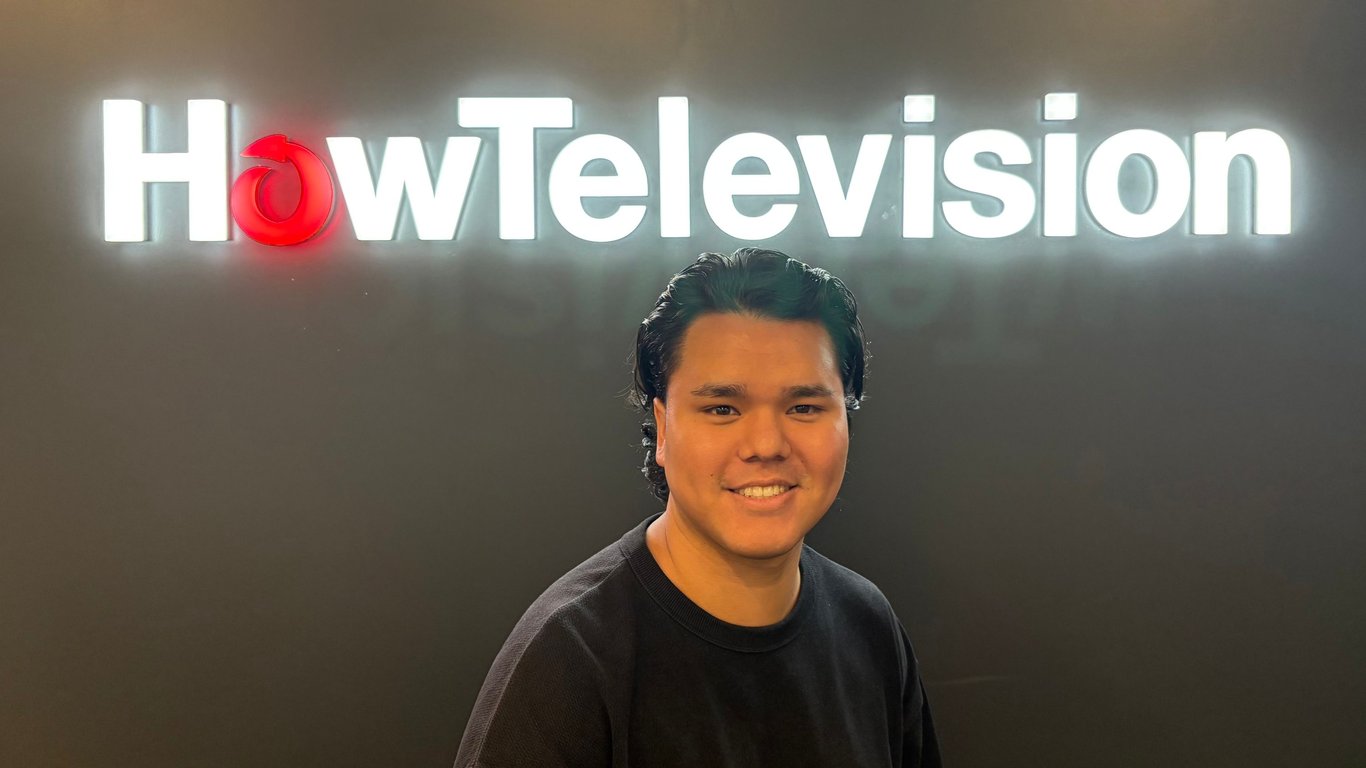
Kevin Heredia Ryuichi
mond (Creator Partnership Division)
-
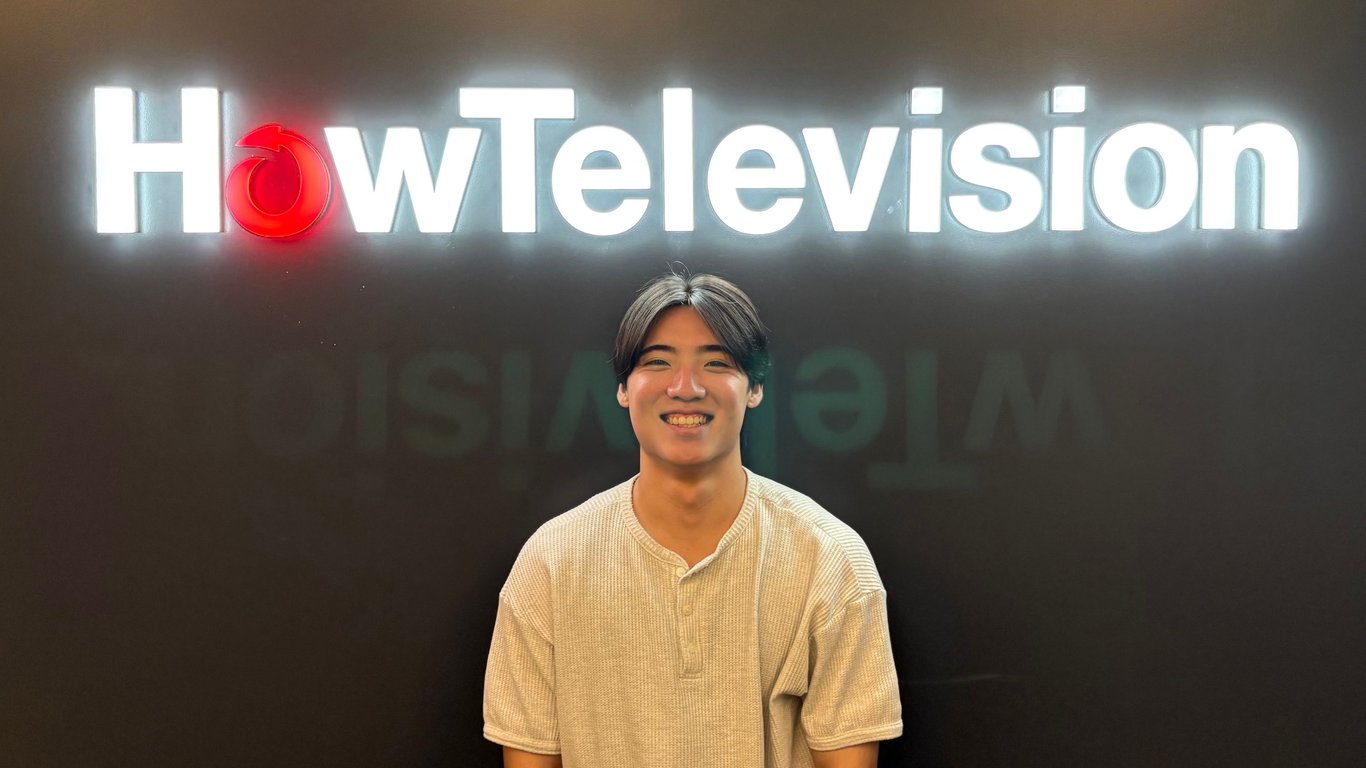
Norihiro Kimoto
Development Department (Gaishi Shukatsu NEXT)
-
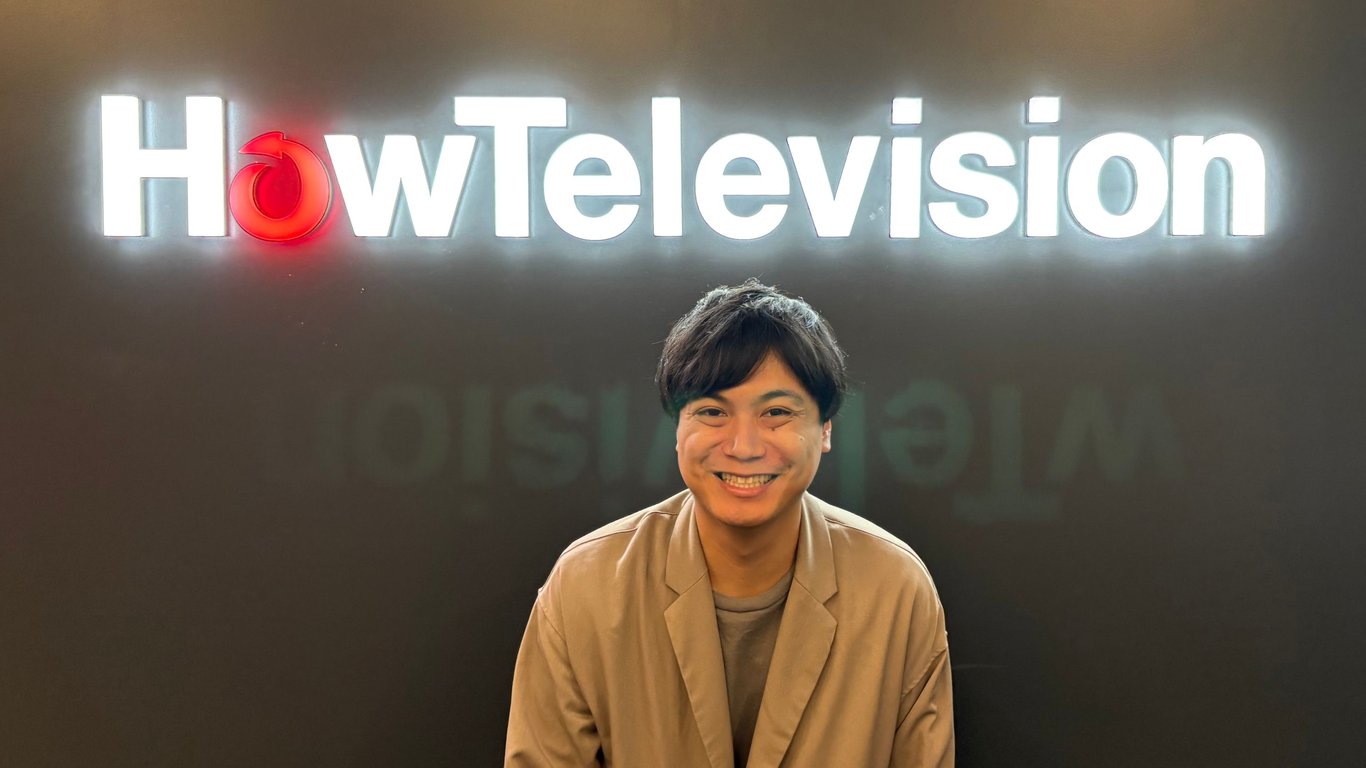
Shumpei Ohira
Development Department (Gaishi Shukatsu NEXT)
-
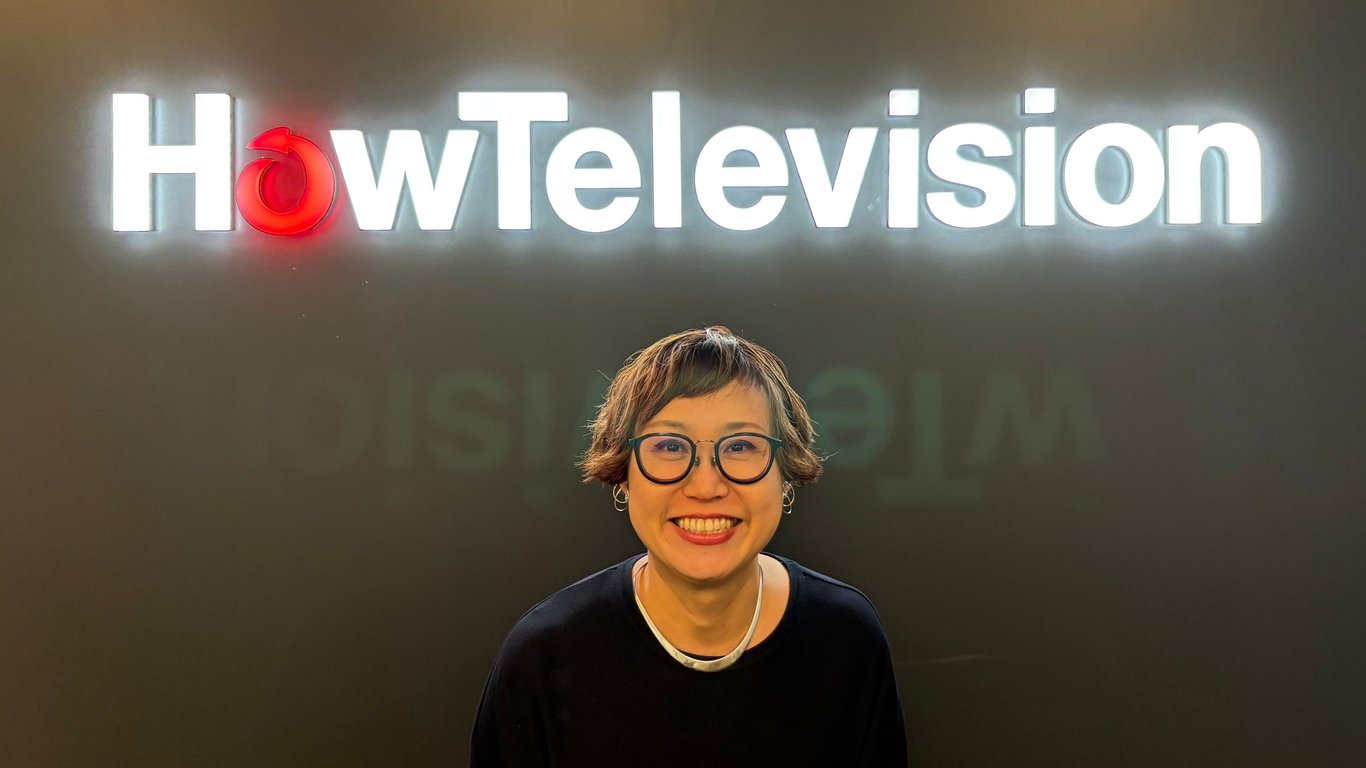
Yoshiko Serizawa
Executive Agent Business Division
-

S.K.
mond Development Division
-

T.Y.
Media Business Division (GaishiShukatsu.com)
-
Sayaka Igarashi
Talent Strategy Office
-
Tomoki Okada
Software Engineer Division
-
Yosuke Nakagawa
Media Business Division (GaishiShukatsu.com) / Gaishi Shukatsu Research Institute
-
Tatsuya Higa
Planning Office
-
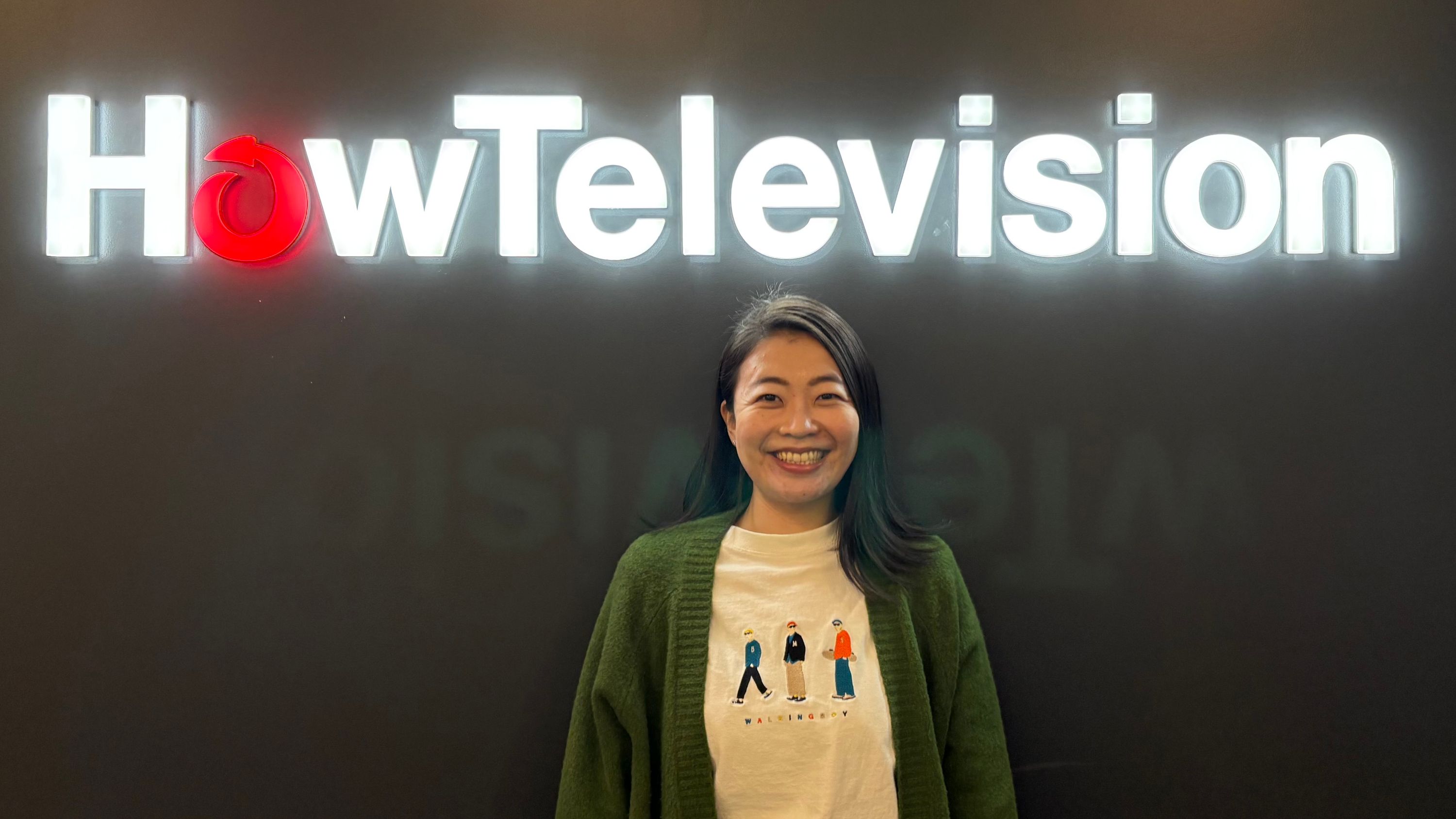
Mei Takahashi
Media Business Division (GaishiShukatsu.com)
-

S.H.
Media Business Division (Gaishi Shukatsu NEXT)
Department affiliations are current as of the interview.